
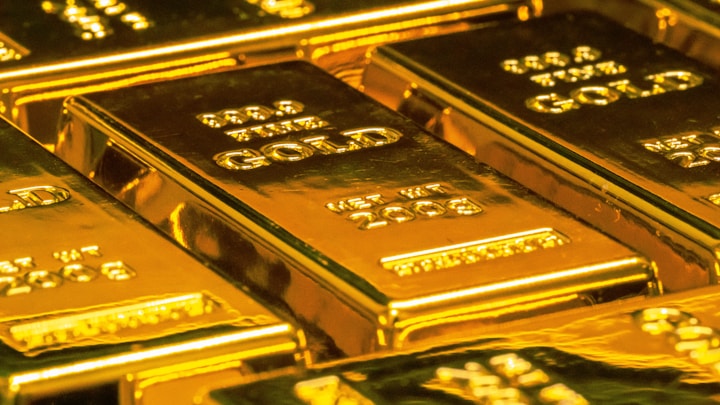
Gold prices climbed above $3,100 per ounce for the first time in history during the final week of March 2026, extending a rally that began in late 2024. The metal closed at $3,112.40 on March 27, according to data from the London Bullion Market Association.
What Is Driving the Rally
Several factors have combined to push gold to new highs. Central banks around the world have been increasing their gold reserves for the third consecutive year. The World Gold Council reported that central bank purchases totalled 1,136 tonnes in 2025, building on the trend that accelerated after Western nations froze Russian central bank assets in 2022.
Geopolitical tensions in the Middle East, particularly the ongoing instability around the Strait of Hormuz and the broader Iran situation, have increased demand for safe-haven assets. When investors become uncertain about political stability, they tend to move money into gold, US Treasury bonds, and the Swiss franc.
Persistent inflation across major economies has also played a role. Although consumer price increases have moderated from their 2023 peaks, prices remain above central bank targets in the United States, the United Kingdom, and parts of the eurozone. Gold has historically been viewed as a store of value during periods of high inflation.
How Gold Compares to Other Assets
Gold has outperformed most major asset classes over the past 12 months. The metal is up approximately 24% since March 2025, compared with a 15% gain for the S&P 500 index and a 9% return for US 10-year Treasury bonds. Bitcoin, often described as "digital gold," has returned approximately 35% over the same period, though with considerably higher volatility.
Silver, gold's more volatile cousin, has also gained ground. Silver traded at approximately $36.50 per ounce in late March 2026, up from $28 a year earlier. Silver benefits from both investment demand and industrial demand, particularly in solar panel manufacturing. For live silver prices, visit Kitco.
Tokenised Gold: XAUT and PAX Gold
The rally in physical gold has also been reflected in tokenised gold products on the blockchain. Tether Gold (XAUT), each token of which represents one troy ounce of physical gold stored in Swiss vaults, traded at prices closely tracking the spot gold price. Similarly, PAX Gold (PAXG), issued by Paxos and backed by gold bars stored in London vaults, has seen increased trading volumes.
These tokenised products allow investors to gain exposure to gold without the logistical challenges of storing physical bullion. Each XAUT and PAXG token is redeemable for physical gold, providing a bridge between traditional commodity markets and blockchain-based finance.
What Analysts Expect Next
Major investment banks have raised their gold price forecasts. Goldman Sachs projects $3,300 by year-end, while UBS expects the metal to hold above $3,000 through 2026. Both cite continued central bank purchasing and geopolitical risk as the primary drivers.
However, a rapid decline in inflation or a sudden de-escalation of Middle Eastern tensions could reduce safe-haven demand and put downward pressure on prices. The gold market remains sensitive to shifts in the US dollar, as gold is priced in dollars globally.
For live gold price updates, visit GoldPrice.org.