
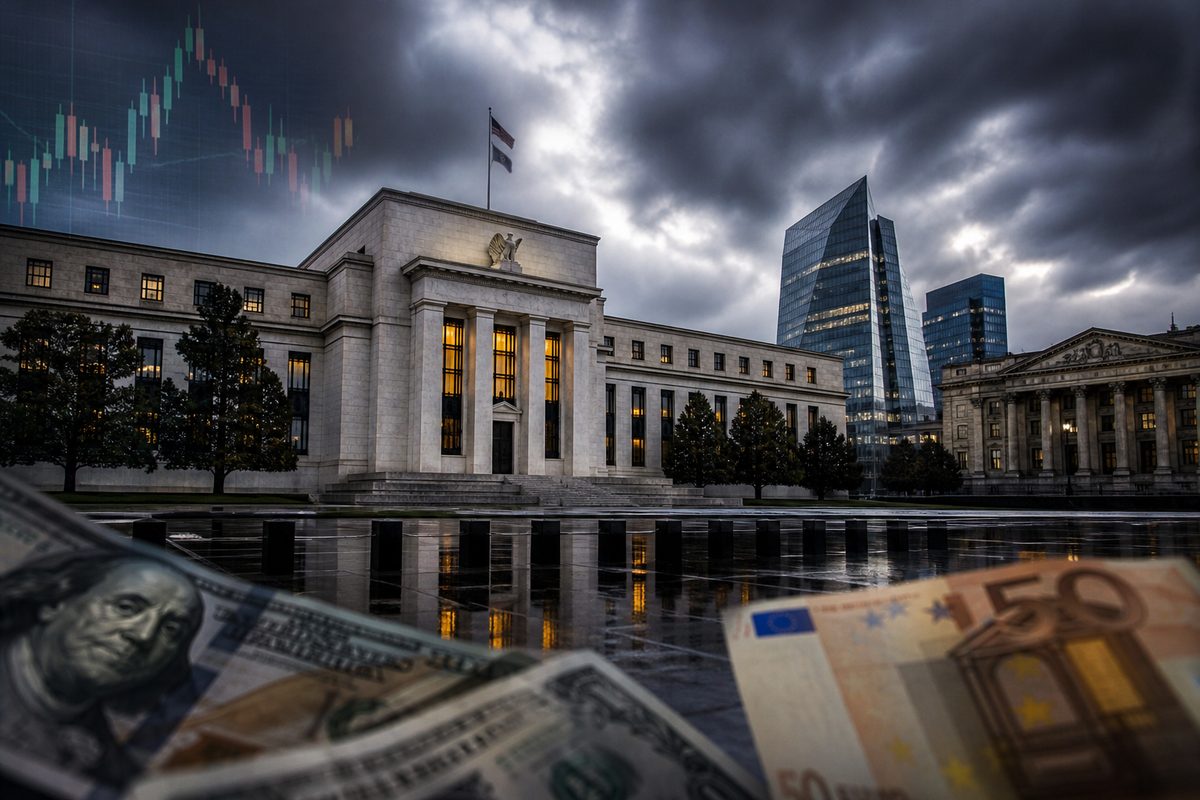
The final week of July 2026 delivered one of the most consequential central-bank cycles of the year, with the Federal Reserve, Bank of England, and Bank of Japan all setting policy within days of each other while inflation remained above target across major economies.
Federal Reserve: Hawkish Hold at 3.50% to 3.75%
On July 29, the Federal Open Market Committee voted 9-3 to maintain the federal funds rate at 3.50% to 3.75%, marking a fifth consecutive hold. Three officials dissented in favour of a 25-basis-point hike: Beth Hammack, Neel Kashkari, and Lorie Logan. The FOMC statement noted that economic activity is expanding at a solid pace despite Middle East uncertainty, but inflation remains elevated relative to the 2% goal, partly reflecting energy supply shocks.
Chair Kevin Warsh removed forward guidance from the statement and announced five task forces to review Fed communications, balance-sheet management, and inflation analysis. Markets pushed the two-year Treasury yield to around 4.2%, its highest level in more than a year, as traders priced a greater than 65% probability of a September hike.
Bank of England: Hold Despite Hawkish Dissent
The Bank of England's Monetary Policy Committee voted 6-3 on July 29 to maintain Bank Rate at 3.75%, with three members preferring a 25-basis-point increase to 4.0%. Governor Andrew Bailey pushed back against rate-hike expectations at the press conference, telling reporters he did not want markets to leave thinking the BoE was edging toward hikes.
UK gilt yields fell sharply in response. The two-year gilt yield dropped 11 basis points to 4.34%, while the 10-year yield declined to around 4.99%. The FTSE 100 reached a record intraday high before closing slightly lower. Sterling weakened against the dollar as rate-hike expectations for September fell below 40%.
Bank of Japan: Continued Normalisation
The Bank of Japan raised its policy rate to 1.0% earlier in the week, continuing its gradual exit from ultra-loose monetary policy as domestic price pressures build. The move added to global bond-market volatility and contributed to yen strength, which affects carry-trade flows into risk assets including crypto.
What This Means for Bonds, FX, and Crypto
Higher-for-longer rate expectations keep real yields elevated, which traditionally pressures gold, growth stocks, and digital assets simultaneously. The U.S. dollar index strengthened after the Fed meeting, creating headwinds for Bitcoin priced in USD.
For crypto investors, the key variable is whether equity risk appetite can offset restrictive monetary conditions. When stocks rally on earnings while bonds sell off on rate-hike fears, Bitcoin often sits in the middle: correlated with equities on sentiment but sensitive to liquidity conditions on the rates side.
Read our global markets rebound analysis and commodity inflation outlook for the full macro picture.