
The US Bureau of Labor Statistics reported that the Consumer Price Index rose 3.1% year-on-year in February 2026, slightly above the 3.0% consensus forecast. On a monthly basis, prices increased 0.4%, driven primarily by shelter costs, car insurance, and food services. The data reinforced expectations that the Federal Reserve would keep interest rates unchanged in the near term.
What Is Driving Inflation
Shelter costs, which account for approximately one-third of the CPI basket, rose 5.2% year-on-year. This component has been the single largest contributor to above-target inflation for more than two years. Housing economists note that the CPI shelter measure lags actual rental market conditions by 12 to 18 months, meaning the recent stabilisation in asking rents may not fully appear in the data until late 2026.
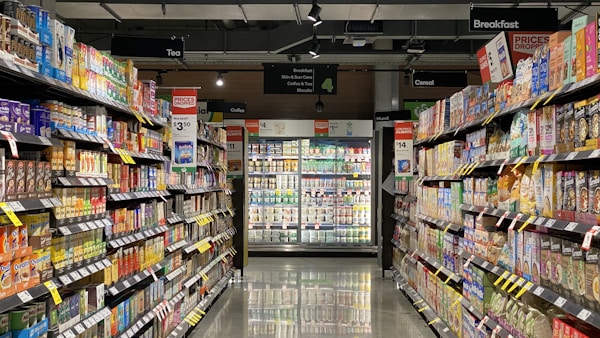
Food prices increased 2.8% overall, with restaurant meals (food away from home) rising 4.1% compared with grocery store prices (food at home) which increased just 1.9%. The gap reflects higher labour costs in the restaurant sector, where wages have grown faster than in many other industries.
Energy prices declined 1.2% year-on-year, providing a partial offset. Petrol prices fell from their mid-2025 peak, though they rose again in February due to Middle East supply concerns. Electricity costs increased 2.3%, partly reflecting higher natural gas prices.
Core Inflation Remains Stubborn
Core CPI, which excludes volatile food and energy categories, rose 3.4% year-on-year. This measure is watched closely by the Federal Reserve as a better indicator of underlying price pressures. Car insurance (+9.1%), medical care services (+3.8%), and education costs (+3.5%) were among the largest contributors to core inflation.
The so-called "supercore" measure - core services excluding shelter - rose 4.2%, suggesting that labour-intensive services continue to see significant price increases. This metric has gained prominence among Fed watchers as a gauge of how much wage growth is feeding through to consumer prices.
How Different Groups Are Affected
Inflation does not affect all households equally. Lower-income households spend a higher proportion of their budget on food, housing, and energy, which means they experience a higher effective rate of inflation than the headline number suggests. The Bureau of Labor Statistics does not publish income-stratified CPI data, but independent estimates from the Penn Wharton Budget Model suggest that the lowest-income quintile experienced effective inflation of approximately 4.5% in early 2026.
Retirees on fixed incomes are particularly affected by shelter cost increases. The Social Security cost-of-living adjustment for 2026 was set at 2.5%, based on CPI-W data from the third quarter of 2025. For retirees facing rent increases above this level, the adjustment does not fully compensate for rising costs.
Implications for Interest Rates
The February CPI data makes a near-term interest rate cut less likely. Markets, as measured by the CME FedWatch Tool, now price the first rate cut for September 2026 at the earliest, with a probability of approximately 55%.
For the full CPI data release, visit the Bureau of Labor Statistics. For comparative inflation data across countries, see Trading Economics.