
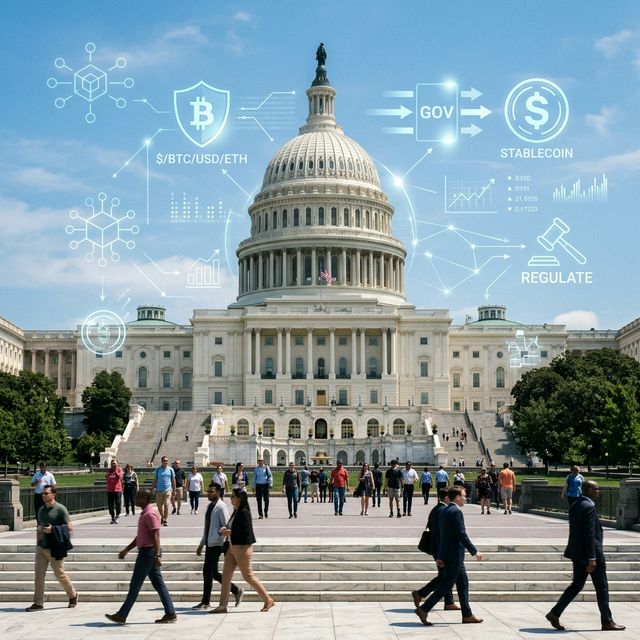
Delaware, long considered a hub for corporate governance in the United States, has introduced two new bipartisan bills aimed at establishing a regulatory framework for stablecoin issuers and digital asset service providers operating within the state.
Senate Bill 412 and House Bill 298 were introduced simultaneously, reflecting a coordinated effort by both chambers to position Delaware as a leader in digital asset regulation. The bills propose licensing requirements for stablecoin issuers, reserve adequacy standards, and consumer protection measures.
Key Provisions
The proposed legislation includes several notable provisions:
- Licensing framework: All stablecoin issuers operating in Delaware would need to obtain a State Digital Asset License, renewable annually.
- Reserve requirements: Issuers must maintain reserves equal to at least 100% of outstanding stablecoins, held in approved custody arrangements.
- Audit obligations: Monthly attestations and quarterly independent audits of reserve holdings would be required.
- Consumer protections: Clear disclosure requirements and a dispute resolution mechanism for stablecoin holders.
Bipartisan Support
The bills have attracted support from both Republican and Democratic legislators, reflecting a growing consensus that regulatory clarity is needed for the stablecoin sector. Senator Maria Gonzalez (D) and Senator Thomas Reed (R) jointly sponsored the Senate bill, while Representatives from both parties backed the House version.
Industry observers note that Delaware's business-friendly reputation and established corporate law infrastructure make it a natural candidate to lead on digital asset regulation at the state level.
Industry Implications
If passed, the legislation could establish a template for other states considering stablecoin regulation. The bills are expected to proceed through committee hearings in April, with a potential floor vote before the summer recess.
AXT News will continue to track the progress of these bills. For more regulatory updates, visit our Regulation section.
Comments
Delaware leading on stablecoin regulation makes sense given its history as a business-friendly state. If they get this right, it could become the incorporation state of choice for stablecoin issuers.
The reserve backing requirements are key. Full 1:1 reserves should be non-negotiable for any stablecoin issuer. We learned that lesson the hard way with algorithmic stablecoins.