
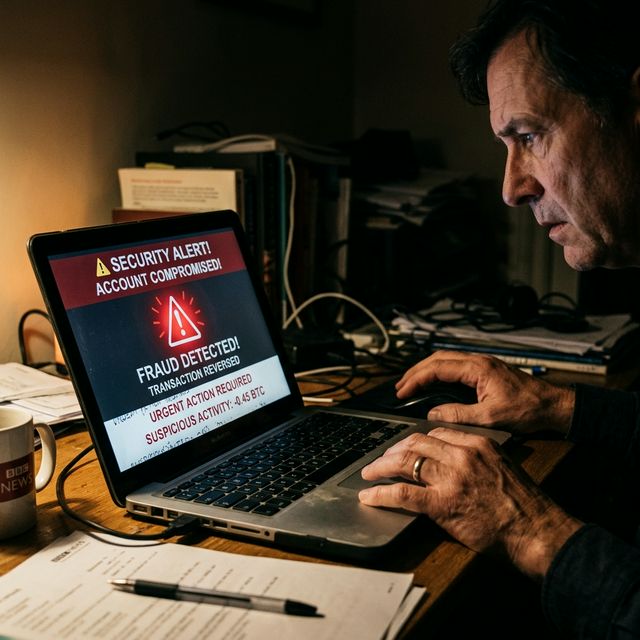
Ponzi schemes are one of the oldest forms of financial fraud, and cryptocurrency has given them a powerful new vehicle. By exploiting the complexity of blockchain technology and the promise of astronomical returns, crypto Ponzi schemes have defrauded investors of billions of dollars worldwide.
This guide explains how crypto Ponzi schemes operate, the warning signs every investor should recognise, and what to do if you suspect you have been victimised.
How Crypto Ponzi Schemes Work
A Ponzi scheme operates by paying early investors using funds contributed by newer investors - not through legitimate trading or business activity. In the crypto world, this model is disguised through:
- Fake trading platforms - Scammers create professional-looking exchanges that display fabricated trading profits, such as the cases involving 4XAI and other flagged platforms
- Yield farming schemes - Promises of 20-50% monthly returns through "proprietary DeFi strategies" that don't actually exist
- Cloud mining operations - Claims of mining Bitcoin at below-market costs, when no mining hardware is actually operational
- NFT and token launches - Projects that create artificial demand and lock investor funds
Red Flags to Watch For
- Guaranteed returns - No legitimate investment can guarantee profits. Promises of "risk-free" returns of 1-5% daily are the hallmark of Ponzi schemes
- Pressure to recruit - Multi-level referral bonuses suggest the scheme depends on new money, not real profits
- Unverifiable trading history - Legitimate platforms like
 Binance and
  eToro provide auditable, verifiable trade histories
 - Withdrawal restrictions - Sudden "maintenance periods," minimum holding requirements, or withdrawal fees that increase over time
- Anonymous or unverifiable team - Legitimate projects have identified, verifiable founders with track records
- No regulatory registration - Check with ASIC, FCA, SEC, or the relevant financial regulator in your country
Notable Crypto Ponzi Schemes
Some of the largest crypto Ponzi schemes in history include:
- BitConnect (2018) - Collapsed after reaching $3.5 billion market cap, with founders charged with wire fraud. The platform promised 40% monthly returns through an automated "trading bot."
- OneCoin (2014–2017) - A $4 billion fraud that wasn't even built on a real blockchain. Founder Ruja Ignatova remains on the FBI's most wanted list
- PlusToken (2019) - A Chinese Ponzi scheme that stole approximately $3 billion in crypto from over 3 million victims
What to Do If You've Been Scammed
If you suspect you're involved in a crypto Ponzi scheme:
- Stop investing immediately - Do not send additional funds, even if promised "bonus returns"
- Document everything - Save all screenshots, emails, wallet addresses, and transaction records
- Report to authorities - File complaints with your national financial regulator and law enforcement
- Contact a recovery specialist - Firms like Sarah Legal can assess your case and advise on recovery options. Blockchain forensics can often trace where your funds went
- Join other victims - Class action proceedings, such as those coordinated by Blockchain Legal Solutions, can be more effective than individual claims
Understanding how these schemes operate is the first step toward protecting yourself. For a deeper dive into the legal frameworks governing these crimes, see our guide on the Howey Test and crypto securities classification.