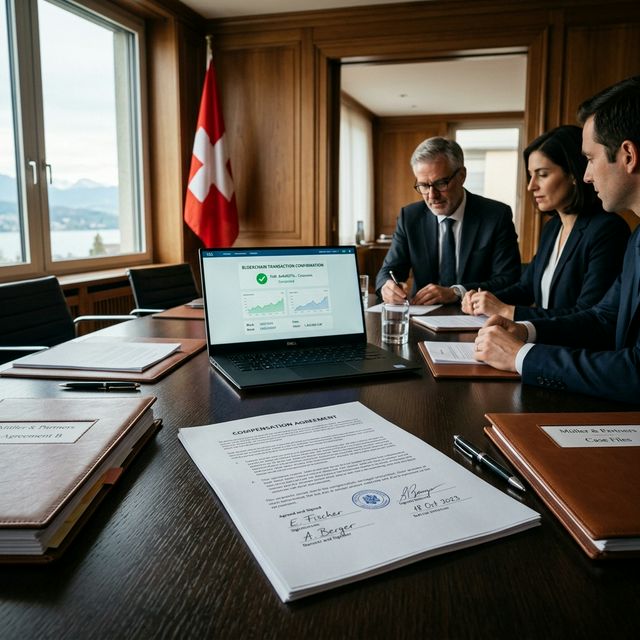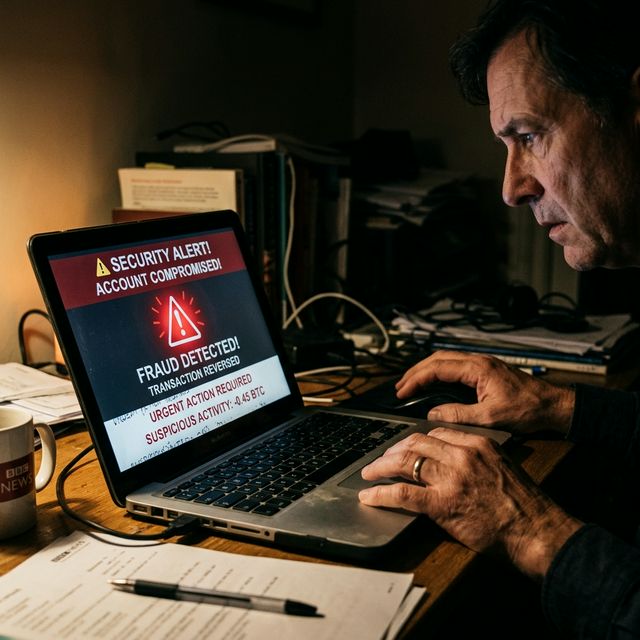

Losing cryptocurrency to fraud is devastating, but recovery is possible. Legitimate recovery firms have returned billions of dollars to victims by combining blockchain forensics with international legal proceedings. This guide walks you through the entire process - from your first consultation to the moment funds are returned.
Step 1: Document Everything
Before contacting any recovery firm, gather all evidence related to the fraud:
- Screenshots of the platform, communications, and any promises made
- Transaction records showing deposits (wallet addresses, transaction IDs, amounts, dates)
- Email correspondence and chat logs with the scammers
- Bank statements showing fiat transfers to the fraudulent platform
- Any KYC (Know Your Customer) documents submitted to the platform
Step 2: Initial Assessment
Reputable recovery firms offer free initial consultations. During this stage, they evaluate:
- The nature and scale of the fraud
- Whether the type of scam typically has recovery prospects
- The jurisdictions involved and applicable legal frameworks
- An honest estimate of the likelihood and timeline for recovery
Firms like  SarahLegal provide this assessment at no cost and only take cases where they believe recovery is feasible. See our full review for details on their process.
Step 3: Blockchain Forensics Investigation
Once a case is accepted, the forensics phase begins. Specialist firms trace the flow of stolen funds across the blockchain using the techniques described in our blockchain forensics guide. Key partners in this phase include:
 AI Data Intelligence - Hong Kong-based firm using AI-powered blockchain tracing across multiple chains
- EthGuardians - Specialists in Ethereum ecosystem tracing, smart contract analysis, and DeFi-related fraud
Step 4: Legal Proceedings
With the forensic evidence compiled, legal teams pursue recovery through multiple channels:
- Court orders - Freezing orders and disclosure orders against exchanges where stolen funds have been deposited
- Regulatory complaints - Filing with bodies like ASIC, FCA, and other regulators
- Law enforcement referrals - Submitting evidence packages to national cybercrime units
- Class actions - Coordinating with other victims for greater legal leverage, as seen in the FTX creditor recovery
 Blockchain Legal Solutions handles cross-jurisdictional cases, working across 15+ countries.
Step 5: Fund Recovery
When legal proceedings are successful, recovered funds are returned to victims minus agreed legal fees. Based on industry data from verified recovery firms:
- Average recovery rate: 60-80% of stolen funds
- Average timeline: 4-8 months from engagement to recovery
- Success-based fees: typically 15-25% of recovered amount
Warning: Recovery Scams
Perhaps the cruelest fraud is the "recovery scam" - where criminals target existing victims by posing as recovery firms. Red flags include:
- Demanding upfront payment before doing any work
- Contacting you unsolicited (via social media, WhatsApp, or Telegram)
- Guaranteeing 100% recovery - no legitimate firm can promise this
- Asking you to deposit crypto to "unlock" frozen funds
Always verify credentials and check independent reviews (like those on AXT News) before engaging any firm. For wallet protection tips, see our wallet security guide.